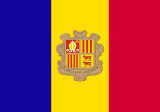
Music Culture and Radio History of Andorra
Andorra, a small principality nestled in the Pyrenees mountains between France and Spain, presents a fascinating fusion of musical influences due to its unique geographical and cultural positioning. With a population that is a blend of native Andorrans, Spaniards, French, and Portuguese, the music culture of Andorra has evolved by embracing a diversity of traditions and styles. This article delves into the rich music culture within Andorra, examining traditional music, modern influences, and the pivotal role of radio in shaping its musical identity.
Traditional Music of Andorra
Traditional Andorran music is strongly influenced by Catalan folk music, reflecting the principality's cultural ties with Catalonia in northeastern Spain. The most prominent traditional music form in Andorra is the sardana, a type of circle dance that is deeply rooted in Catalonian cultural heritage. The sardana is typically accompanied by a cobla, an ensemble made up of a unique combination of wind instruments that include the tenora and tible, both members of the shawm family, as well as the flabiol, a small flute.
Apart from the sardana, another cultural staple is the ball de bastons, or "stick dance," which is performed with wooden staves used to create rhythmic sounds as part of the dance ensemble. These traditional dance forms are often performed during Andorran festivals and public celebrations, serving as a crucial means of preserving cultural heritage.
Modern Musical Evolution
As Andorra modernized, its music scene began integrating a variety of elements from broader European musical trends. In the 20th century, Andorran musicians started experimenting with genres such as jazz and classical music, while the country's proximity to both Spanish and French musical cultures brought influences from both nations, embellished by the influx of recorded music.
In recent years, popular music genres such as pop, rock, and electronic music have gained traction among younger audiences. The representation of Andorra in the Eurovision Song Contest from 2004 to 2009 also served to elevate the country's profile on the international music scene. Andorran musicians and bands such as Anonymous and Susanne Georgi have helped to establish a modern musical identity that blends traditional flavors with contemporary sounds.
Role of Radio in Andorran Music Culture
Radio has played a foundational role in shaping the music culture of Andorra, acting as both a unifying platform for the community and a medium for diverse musical expression. The first radio station, Ràdio Andorra, commenced broadcasts in 1939, and although it operated primarily under French administration, it became instrumental in familiarizing Andorrans with both local and international music.
Located in the town of Encamp, Ràdio Andorra transmitted across Europe, broadcasting a mix of music and cultural content that transcended national boundaries. This was vital during times of political tension, such as during World War II, when radio served as a conduit for cultural exchange and comfort.
Despite ceasing operations in the 1980s, Ràdio Andorra set a precedent for the role of media in the principality. Today, stations like Ràdio Nacional d'Andorra offer a platform for local artists while bringing the latest global hits to Andorran listeners, fostering a vibrant and eclectic music listening culture.
Festivals and Cultural Events
Music festivals and cultural events have also contributed significantly to the musical landscape of Andorra. The country's calendar is dotted with music festivals that celebrate a range of genres. The Festival Internacional Narciso Yepes, named after the acclaimed Spanish guitarist, is an annual event that showcases classical music and brings renowned musicians to the valleys of Andorra.
The Andorra Jazz Escaldes-Engordany festival has earned international acclaim for featuring global jazz figures, enhancing Andorra's reputation as a destination for high-quality musical experiences.
Conclusion
The music culture and radio history of Andorra reflect an enduring tradition interwoven with modern innovation. From traditional dance forms like the sardana to contemporary festival stages, the principality continues to craft a unique musical identity that respects its historical roots while embracing change.
This blending of old and new is facilitated by platforms like radio, which continue to play a crucial role in the dissemination and celebration of Andorra's diverse musical heritage. In an increasingly globalized world, Andorra’s music culture stands as a testament to both the preservation and evolution of cultural expression.


