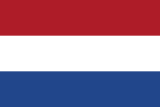
Music Culture and Radio History of Netherlands
The Netherlands, known for its rich cultural heritage, holds a significant place in the world of music. The country’s music culture is a vibrant tapestry woven over centuries, reflecting various styles and influences. From classical and folk music to contemporary pop, the Netherlands' contribution to music scenes is diverse and impactful. Integral to this growth is the parallel evolution of radio, a medium that has played a crucial role in shaping and broadcasting the musical journeys of the Dutch.
Traditional and Folk Music
Traditional Dutch music often intertwines with the country's folk heritage, characterized by simple melodies and narrative lyrics. Rooted deeply in local culture, instruments like the accordion, fiddle, and the draaorgel (barrel organ) are prominent. The accordionist plays a key role, driving the polkas and waltzes of traditional dance music. The shanties and folksongs, often telling tales of love, work, and nature, reflect the daily life and struggles of ordinary people.
The Volendam scene, a distinct style of folk music originating from the town of Volendam, gained prominence in the mid-20th century. Characterized by harmony vocals and string instruments, this style remains a beloved aspect of Dutch tradition.
Classical Influences and Development
The evolution of classical music in the Netherlands was significantly influenced by composers such as Julius Röntgen and Alphons Diepenbrock in the late 19th and early 20th centuries. The founding of the Concertgebouw Orchestra in 1888 marked a pinnacle in classical music performance, establishing Amsterdam as a key musical hub. This world-renowned orchestra increased Dutch visibility in the Western classical world and showcased local composers.
Contemporary classical music in the Netherlands is characterized by innovation and modernism. Composers like Louis Andriessen and his experiments in minimalism have continued to push boundaries, reflecting a modern evolution of classical traditions.
Modern and Popular Music
The post-war period saw an explosion of popular music in the Netherlands, influenced heavily by American rock and British pop. Bands like Golden Earring and Shocking Blue achieved international success, fostering a burgeoning rock scene during the 1960s and 1970s.
In the late 20th century, Dutch pop music began to incorporate more diverse sounds, including punk, electronic, and hip-hop. The emergence of nederpop in the 1980s, characterized by Dutch-language lyrics, marked a significant cultural movement. Artists like Doe Maar and Het Goede Doel capitalized on this trend, producing chart-topping hits.
Electronic Music Revolution
The Netherlands is a pivotal player in the global electronic music scene. The rise of gabber in the 1990s, a fast-paced and hardcore techno style, became a subcultural phenomenon. Following this, the late 1990s and early 2000s saw the growth of trance and house music, catapulting Dutch DJs such as Tiësto, Armin van Buuren, and Martin Garrix to international acclaim. These artists not only dominated festivals worldwide but also solidified the Netherlands' standing as a powerhouse in electronic music production and DJing.
The Role of Radio in Dutch Music
Radio has been instrumental in the dissemination and promotion of music culture in the Netherlands. The country’s radio history dates back to the early 20th century with the founding of the first Dutch radio station, PCGG, in 1919. Radio quickly adapted as a significant platform for music broadcasting, shaping public taste and preferences.
During World War II, radio served as a vital means of communication and cultural continuity for the Dutch. Post-war, the medium expanded rapidly. In the 1960s and 1970s, pirate radio stations gained popularity, broadcasting diverse programming that commercial and public stations often overlooked.
Public Broadcasting and Commercial Expansion
The public broadcasting system in the Netherlands, governed by organizations such as AVRO, KRO, and VARA, played a major role in music promotion. Elstree, Wonderland Avenue, and the TROS Top 50 programs were instrumental in creating music charts, thus increasing the visibility of Dutch and international artists.
The 1980s and 1990s heralded the rise of commercial radio, giving birth to prominent stations like Sky Radio and Radio 538. The commercial expansion allowed for more targeted music programming and introduced specialty shows dedicated to specific genres. This period also saw the establishment of music festivals, creating a symbiotic relationship between live performances and radio broadcasts.
Present and Future Trends
Today, radio in the Netherlands remains a key platform for music broadcasting, despite the rise of digital streaming services. Stations like 3FM continue to support emerging artists and new music trends, ensuring an evolving music culture. In the current digital age, the integration of online streaming and radio provides a dynamic medium that bridges traditional and modern broadcast methods.
The music culture in the Netherlands is a constant interplay between historical traditions and modern innovations. From folk tales to electronic beats, and from vinyl records to digital streams, Dutch music continues to captivate and influence audiences worldwide. Radio, having served as both a mirror and a catalyst, remains intertwined with the nation's musical legacy, promising to adapt and thrive in future cultural landscapes.